
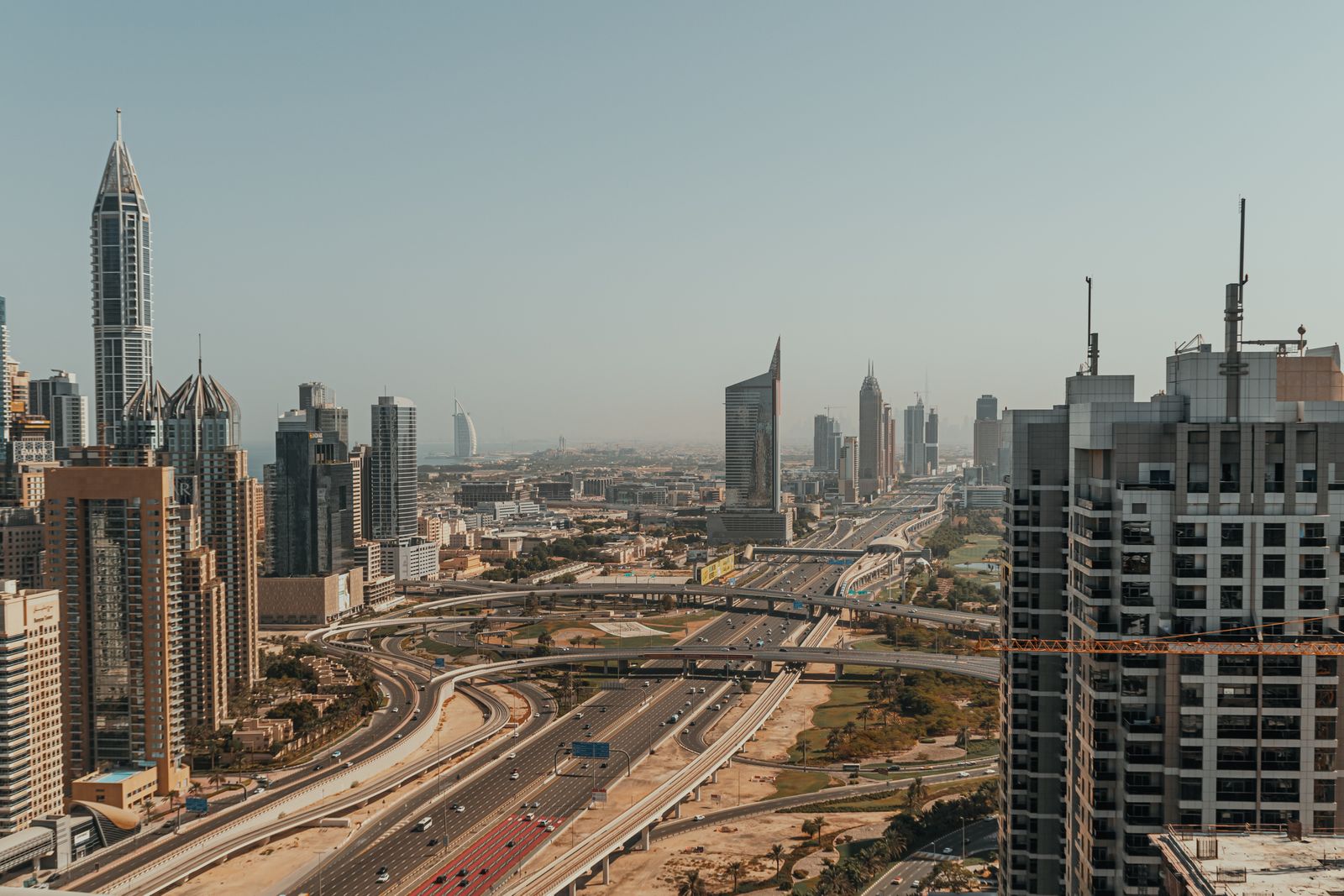
Understanding the Dubai Mortgage Landscape
Dubai’s real estate market offers lucrative opportunities for expats and non-residents looking to invest in property. With a growing demand for housing and a variety of financing options, navigating the mortgage process can be straightforward with the right knowledge.
Eligibility Criteria for Expats and Non-Residents
To secure a mortgage in Dubai, expats and non-residents must meet specific eligibility criteria. Most lenders require a valid residency visa, but some banks extend services to non-residents. Typically, the following criteria apply:
- Age: Applicants must be at least 21 years old.
- Income: A stable source of income is essential, with many banks requiring a minimum monthly salary, often around AED 15,000.
- Credit History: A good credit score, preferably above 600, is crucial for approval.
Types of Mortgages Available
There are primarily two types of mortgages offered to expats and non-residents in Dubai:
- Fixed-Rate Mortgages: These loans maintain a constant interest rate throughout the loan term, providing predictability in monthly repayments.
- Variable-Rate Mortgages: These loans have interest rates that fluctuate based on market conditions, which can lead to lower initial payments but potential increases over time.
The Application Process
Applying for a mortgage in Dubai involves several steps:
- Research Lenders: Compare different banks and financial institutions to find the best mortgage rates and terms.
- Gather Documentation: Typical documents required include:
- Passport copies
- Visa copies
- Salary certificates or bank statements
- Property documents if already identified
- Submit Application: Fill out the lender’s application form and submit the required documents.
- Approval Process: The lender will assess your financial situation and the property’s value through an appraisal.
- Finalizing the Loan: Once approved, you will receive a loan offer, which must be signed to finalize the mortgage.
Understanding Costs and Fees
Securing a mortgage in Dubai involves various costs beyond the principal loan amount. Key expenses include:
- Down Payment: Expats generally need to provide a down payment of at least 25% for residential properties.
- Mortgage Registration Fee: Typically 0.25% of the loan amount, payable to the Dubai Land Department.
- Valuation Fees: Costs associated with property appraisal, usually between AED 2,500 to AED 5,000.
- Broker Fees: If using a mortgage broker, expect to pay a fee based on the loan amount.
Tips for Securing the Best Mortgage Rates
To achieve the best mortgage rates and terms, consider the following strategies:
- Improve Your Credit Score: Address any issues on your credit report and ensure timely payments on existing debts.
- Increase Your Deposit: A larger down payment can reduce your loan-to-value ratio, potentially leading to better rates.
- Consult a Mortgage Broker: Professional brokers can provide insights and access to exclusive deals from various lenders.
Conclusion: Taking the Next Steps
Securing a mortgage in Dubai as an expat or non-resident is entirely feasible with the right preparation. By understanding the eligibility criteria, types of mortgages available, and the application process, you can make informed decisions. Start your journey towards owning property in this vibrant city today and explore your options with our mortgage calculator.