
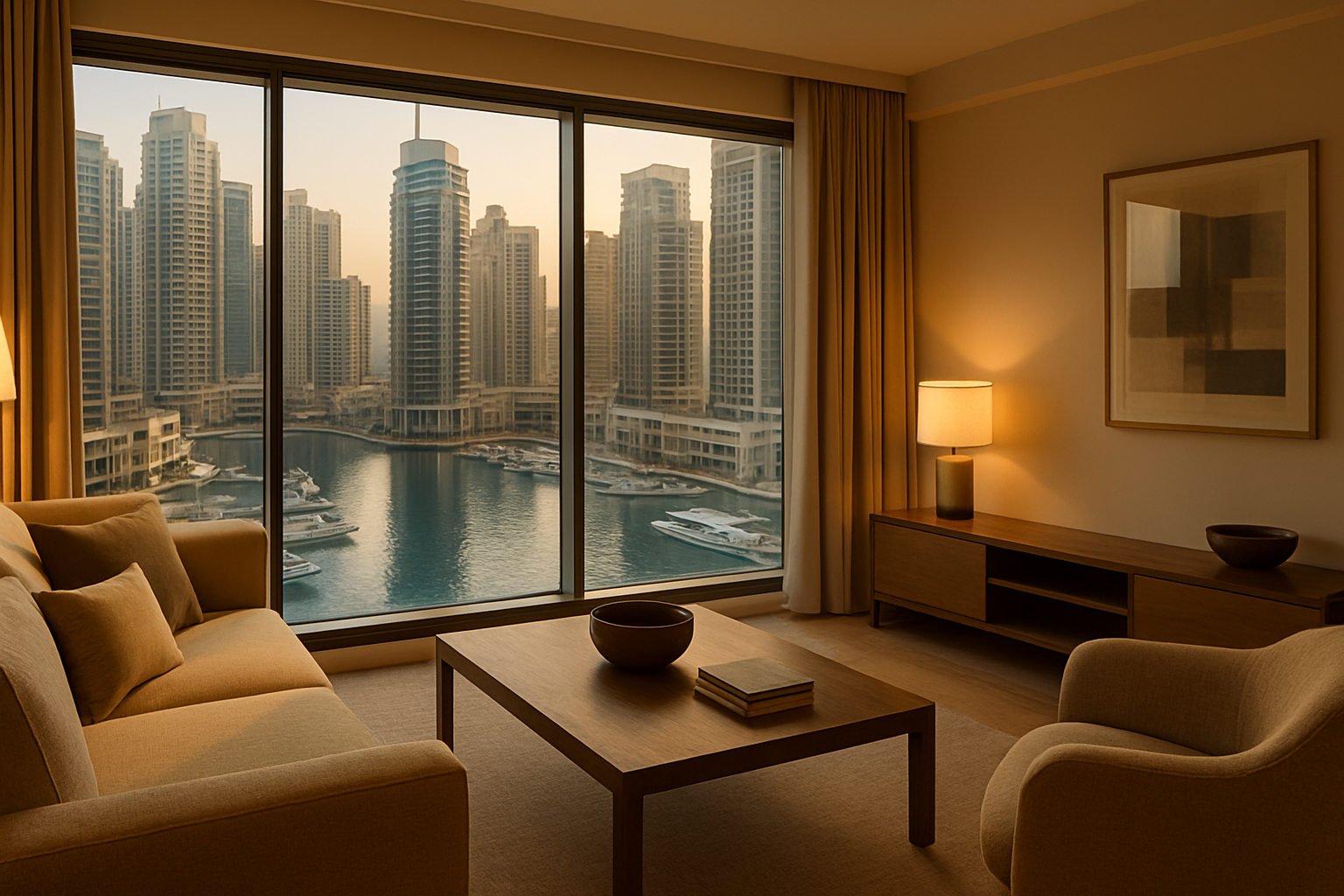
Understanding Dubai’s Holiday-Home Rental Market
Dubai has become a premier destination for tourists, leading to a booming market for short-term holiday-home rentals. As a host, it’s essential to understand the licensing requirements and regulations governing this industry to ensure a smooth operation.
Why Consider Dubai Holiday Home Rentals?
With its lush resorts, stunning beaches, and vibrant nightlife, Dubai attracts millions of visitors each year. Holiday-home rentals provide an attractive alternative to traditional hotels, offering guests a more personalized experience. As a host, you can enjoy:
- Higher rental yields compared to long-term leases.
- Flexibility in managing your property.
- The potential for increased occupancy rates during peak tourist seasons.
Licensing Requirements for Hosts
To operate a holiday home in Dubai, hosts must obtain the necessary permits and licenses. The key steps include:
1. Register with the Dubai Tourism Department
All hosts must register their properties with the Dubai Department of Economy and Tourism (DET). This involves submitting an application and providing necessary documents, such as proof of ownership and identification.
2. Obtaining a Holiday Home License
After registration, hosts must secure a Holiday Home License. This license is specifically designed for short-term rentals and ensures compliance with local regulations. The application process includes:
- Paying the requisite fees, which vary based on property type and location.
- Meeting safety and quality standards set by the DET.
- Providing detailed information about the property, including facilities and amenities.
3. Compliance with RERA Regulations
The Real Estate Regulatory Agency (RERA) has established regulations for holiday-home rentals. Hosts must adhere to these guidelines, which include:
- Maintaining accurate records of bookings and guest information.
- Ensuring compliance with health and safety standards.
- Paying the applicable tourism tax on rentals.
Regulations for Hosts
To ensure a successful rental experience, hosts must follow several important regulations:
1. Guest Registration
All guests must be registered in accordance with local laws. Hosts must keep a record of guest details, including identification and dates of stay, and provide this information to local authorities when required.
2. Minimum Stay Requirements
The DET enforces minimum stay requirements for holiday homes. Typically, the minimum is set at 3 nights, which helps maintain a steady flow of guests while supporting longer-term stays.
3. Property Maintenance
As a host, you are responsible for maintaining your property to meet quality standards. This includes regular cleaning, maintenance of facilities, and ensuring all safety equipment is functional.
4. Insurance
Hosts are encouraged to obtain appropriate insurance coverage to protect against potential liabilities. This may include damage to the property, injuries to guests, or loss of income due to unforeseen circumstances.
Maximizing Your Rental Potential
Now that you understand the licensing and regulations, here are some tips to maximize your rental potential:
- Market Effectively: Use online platforms and social media to promote your property.
- Enhance Guest Experience: Provide essential amenities and consider adding unique features to make your property stand out.
- Be Responsive: Quick communication with potential guests can lead to more bookings.
- Gather Reviews: Encourage guests to leave positive reviews to build your reputation.
Conclusion
Operating a Dubai holiday home rental can be a lucrative venture if you adhere to the necessary licensing requirements and regulations. By staying informed and providing a quality experience for your guests, you can ensure the long-term success of your rental property.
Note: Fees and regulations can change, and readers should confirm with the Dubai Land Department or a licensed advisor.